Lightning of the Table: Field Notes on Spring Mountain Gastronomy
There is a quiet recalibration that occurs in the mountains each spring. It is not announced. It does not arrive all at once. But over the course of a few weeks—between the final storms and the first true thaw—the alpine table begins to shift. Not dramatically, but deliberately. During the Winter Cheese is aged. Meat is cured. Dishes are built to withstand both cold and effort—fondue shared at dusk, raclette scraped onto potatoes, broths that carry weight and warmth in equal measure.
And then, almost imperceptibly, the table lightens. The transformation begins with ingredients.
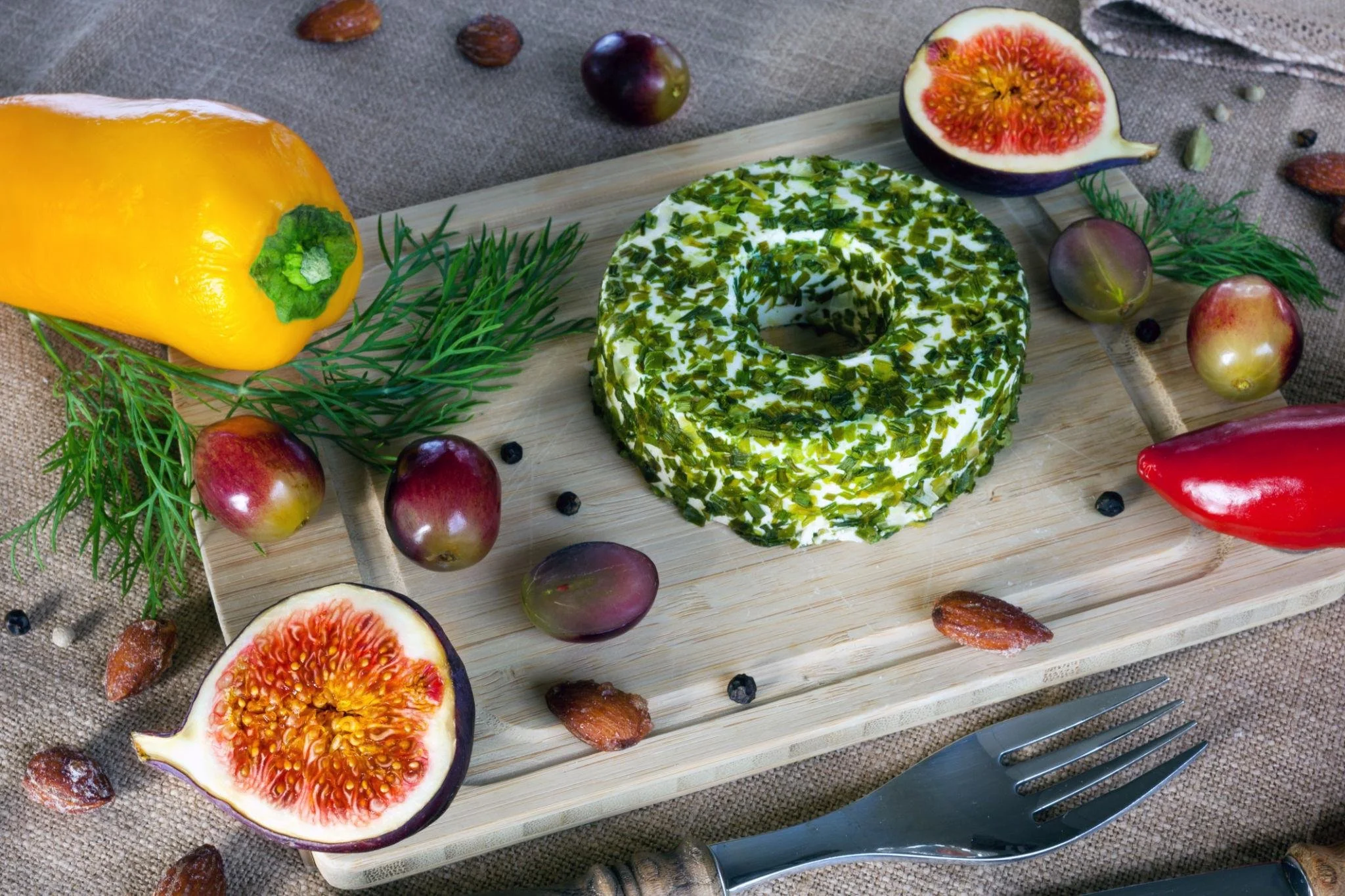
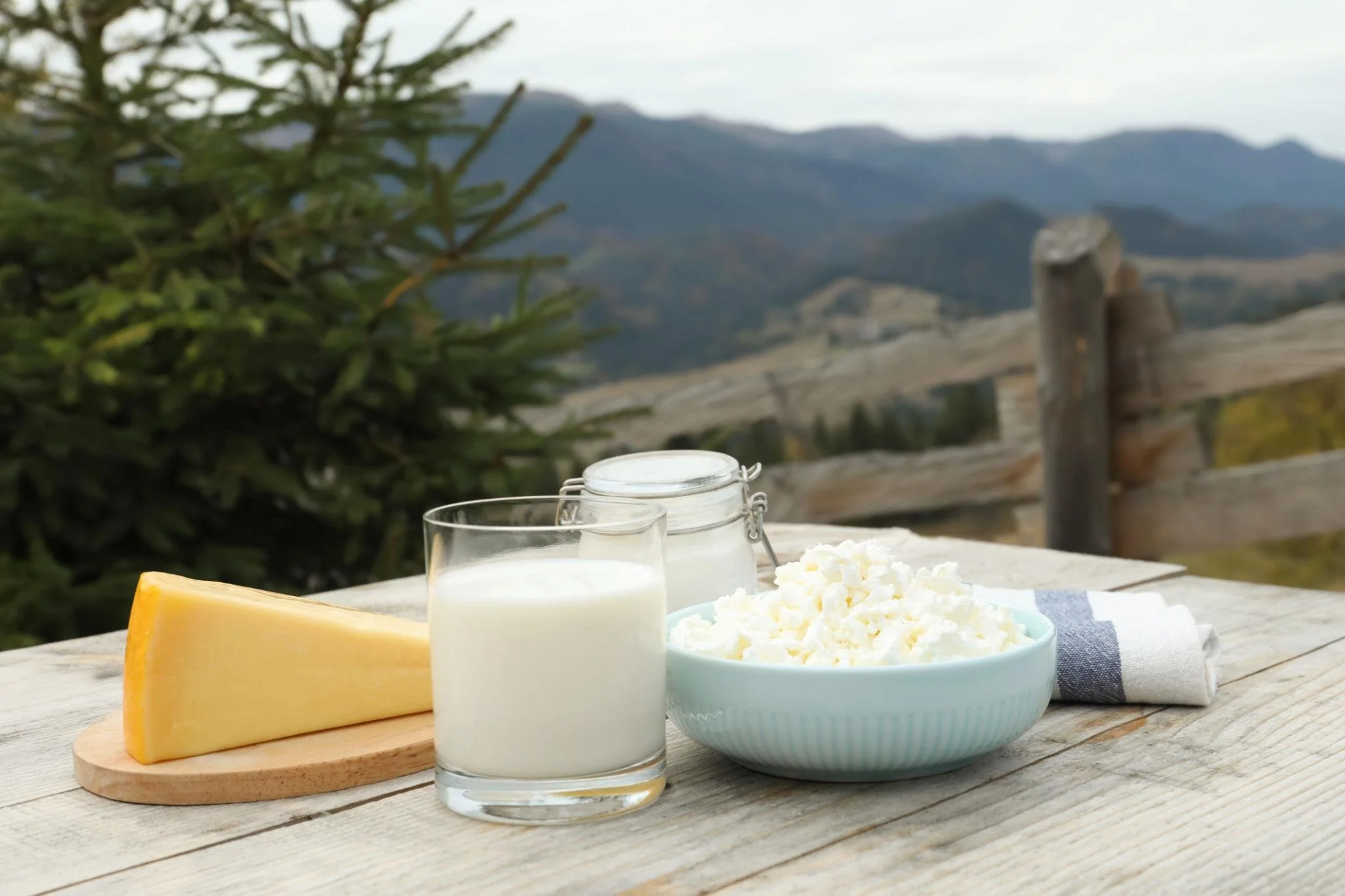
Milk changes first. Drawn from animals newly returned to pasture, it carries the flavor of movement—of grass, of thawing earth, of air that has shifted from sharp to soft. Butter becomes more expressive. Cheese, when left young, reveals a different character altogether: less dense, more immediate, almost conversational.
Herbs follow.
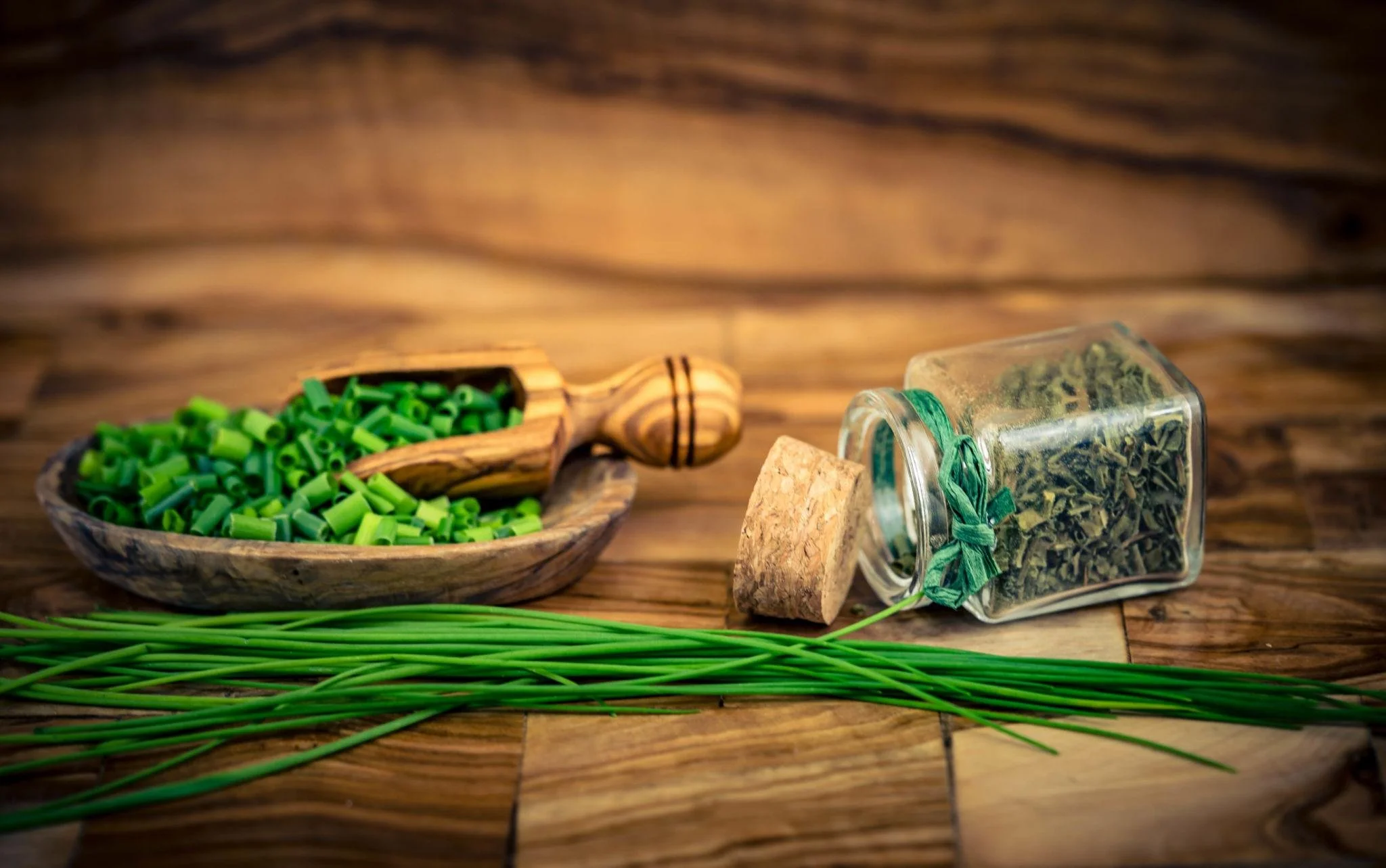
They do not arrive in abundance, but in suggestion. Chives pushing through thawed soil. Wild garlic unfurling in shaded forest floors. Alpine sorrel—bright, almost citrus in its edge—appearing where snow has just receded. And the mountain kitchen, attuned to such signals, responds accordingly. A soup becomes greener. A plate becomes simpler. A dish becomes more precise.
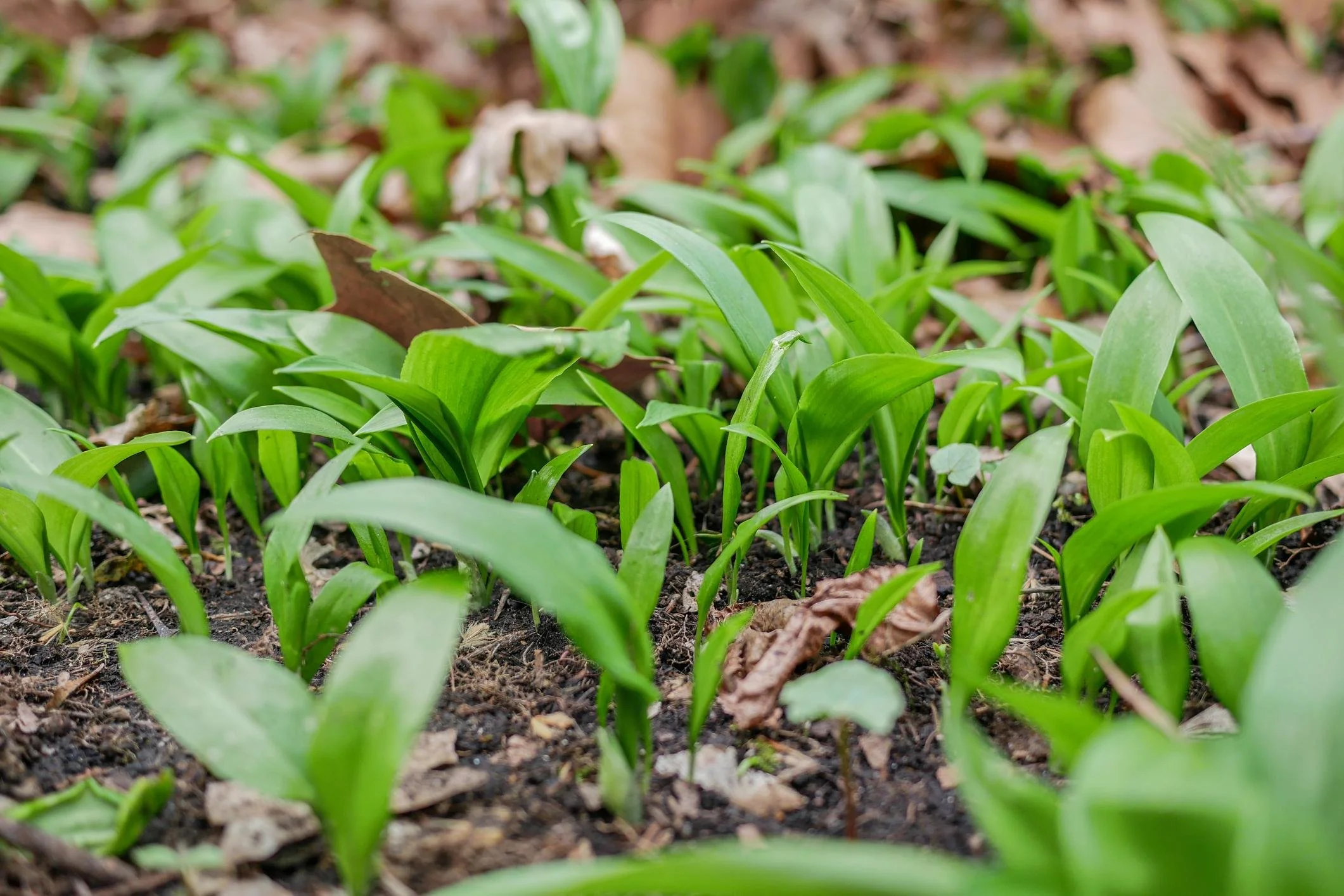
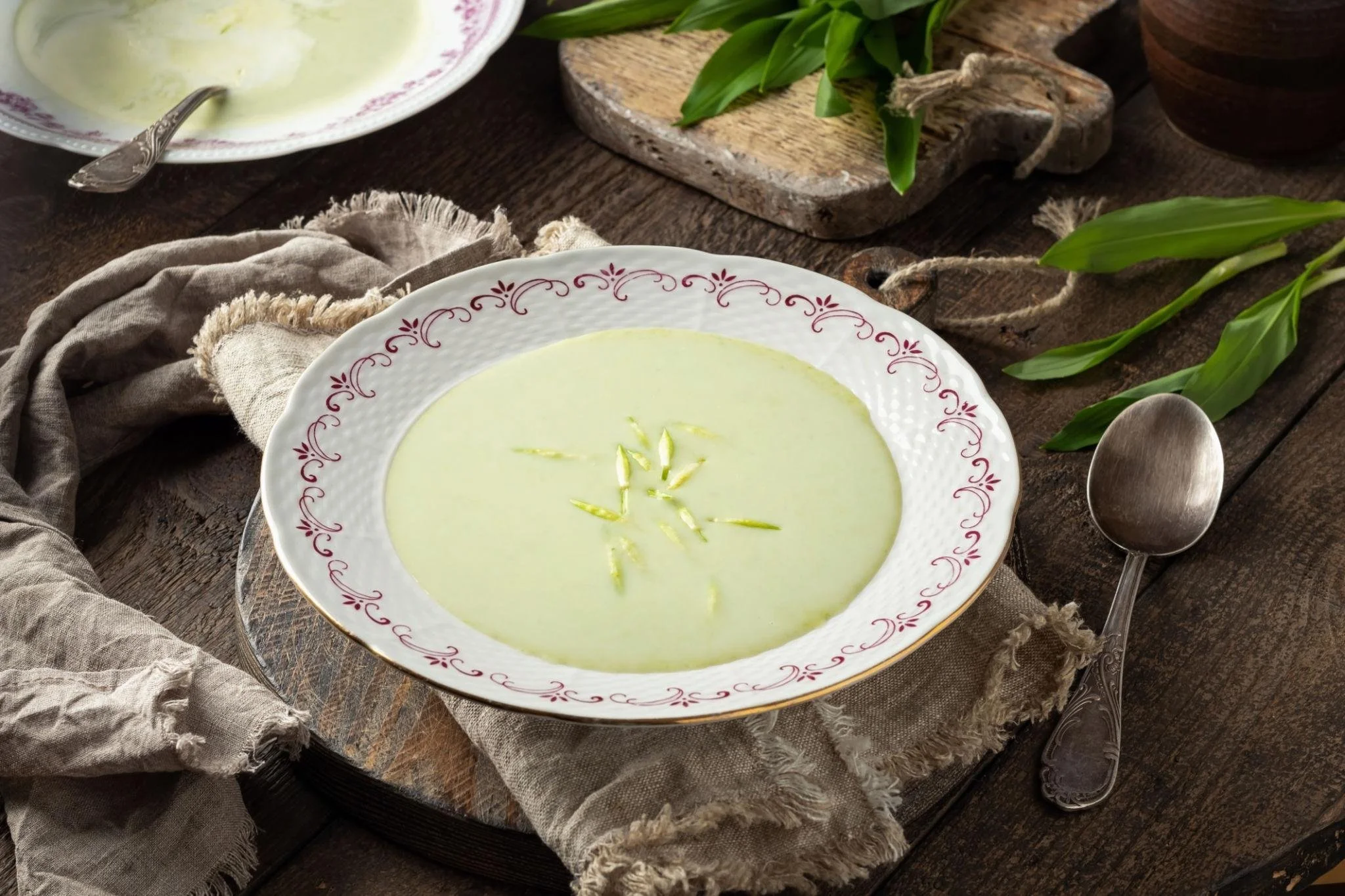
Across mountain cultures—separated by continents, languages, and histories—fare becomes a reflection of the landscape & season. In the Alps, a bowl of wild garlic soup may mark the season’s turning point. Bright, aromatic, fleeting—it is a dish that exists only in this narrow window, defined entirely by timing.
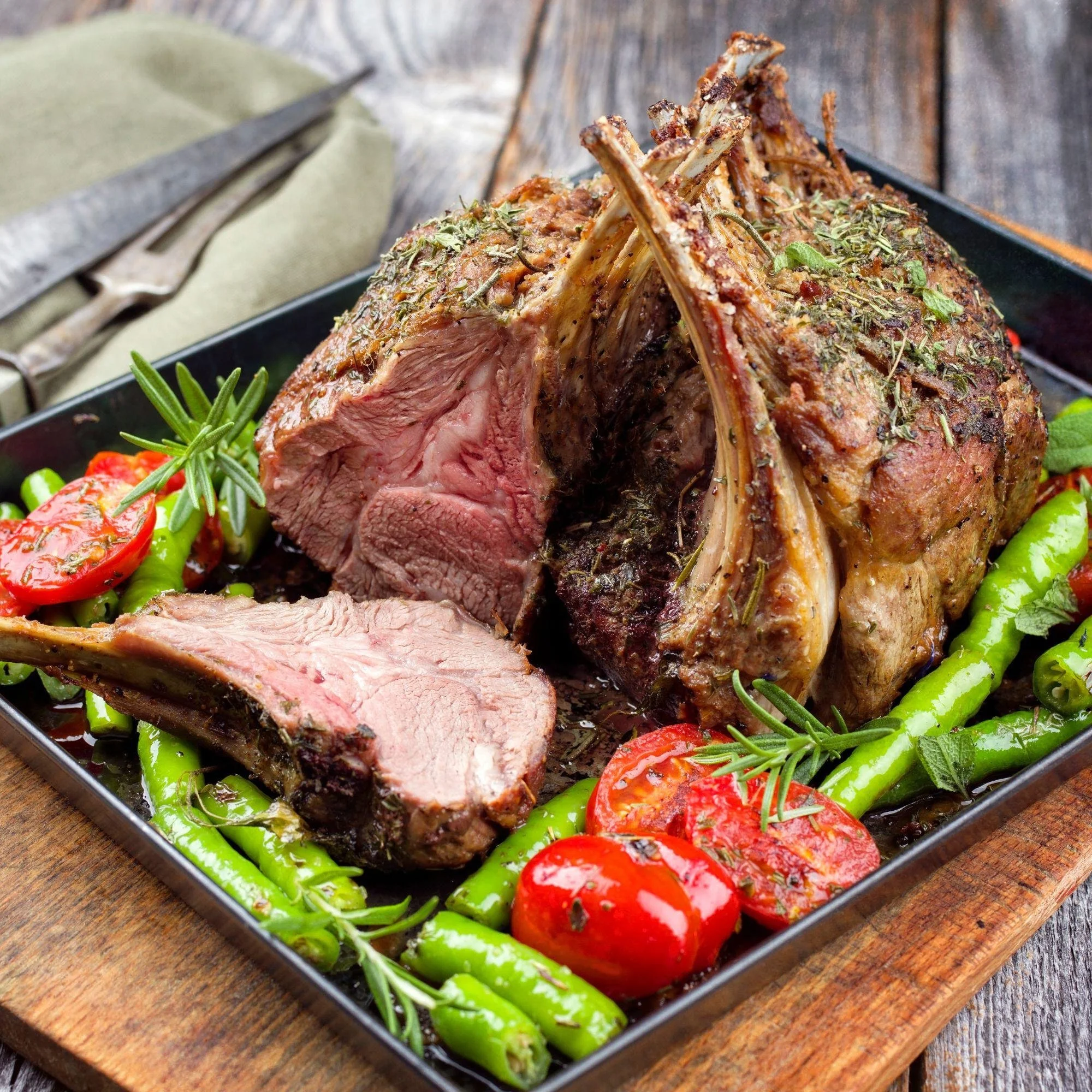
In the Pyrenees, lamb emerges not as a heavy braise, but as something lighter—grilled, perhaps, with little more than thyme and air. The meat reflects the pasture; the preparation reflects the season.
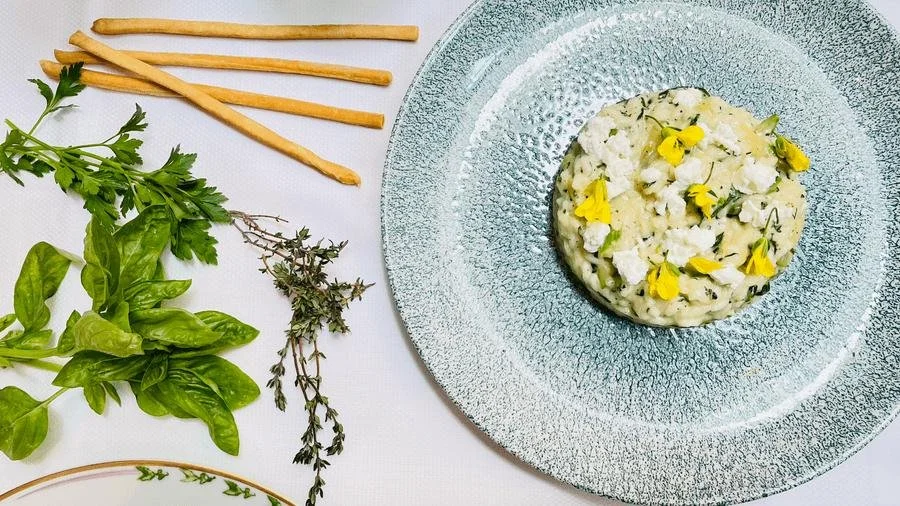
In the Italian Alps, risotto softens its posture. Nettles, parsley, and early greens are folded into the rice, offering not richness alone, but lift.
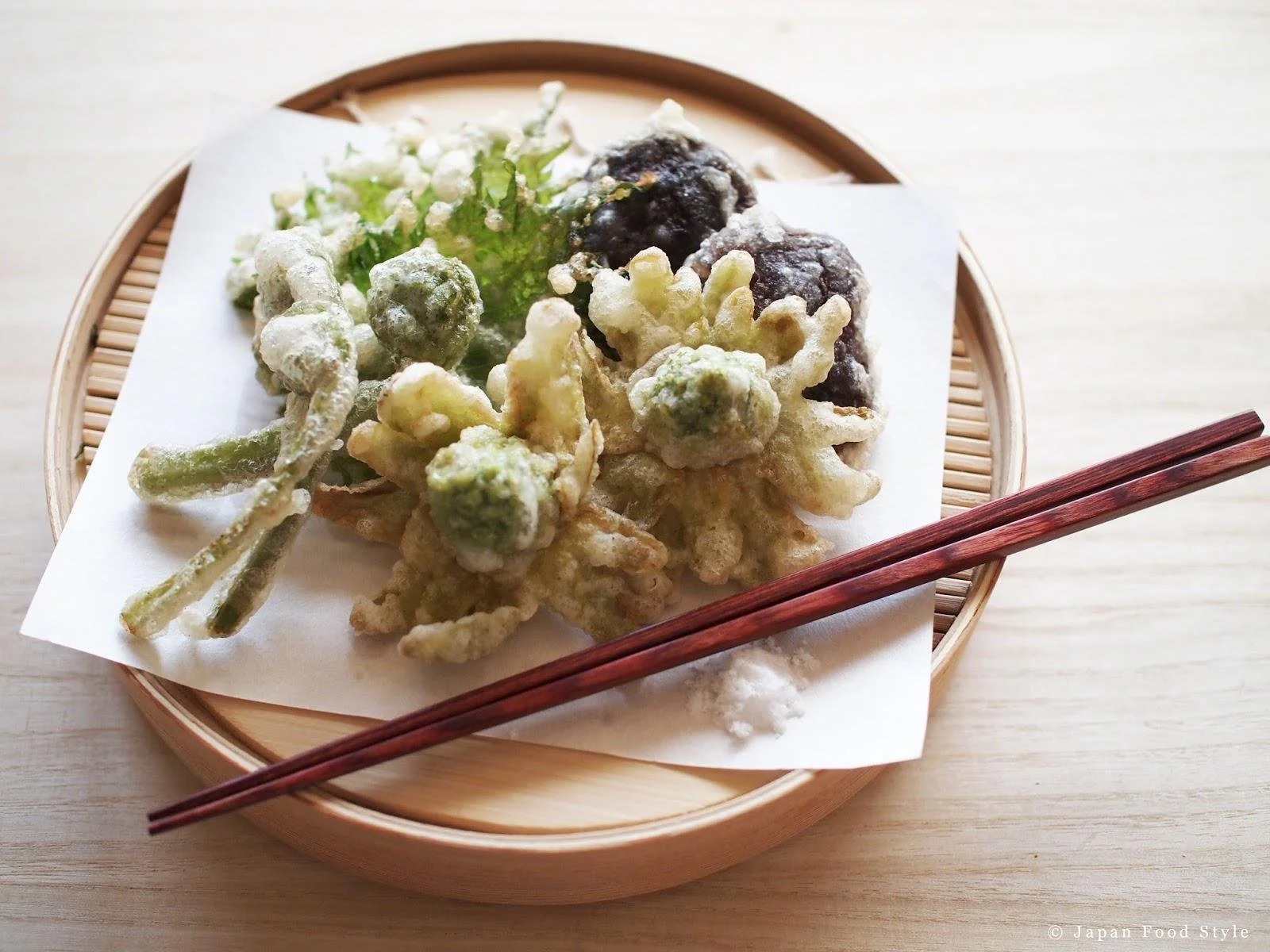
Further afield, the same rhythm holds. In the Japanese Alps, sansai—foraged mountain vegetables—appear briefly. Lightly fried, simply dressed, allowed to retain their natural bitterness. A reminder that spring is not sweetness, but contrast.
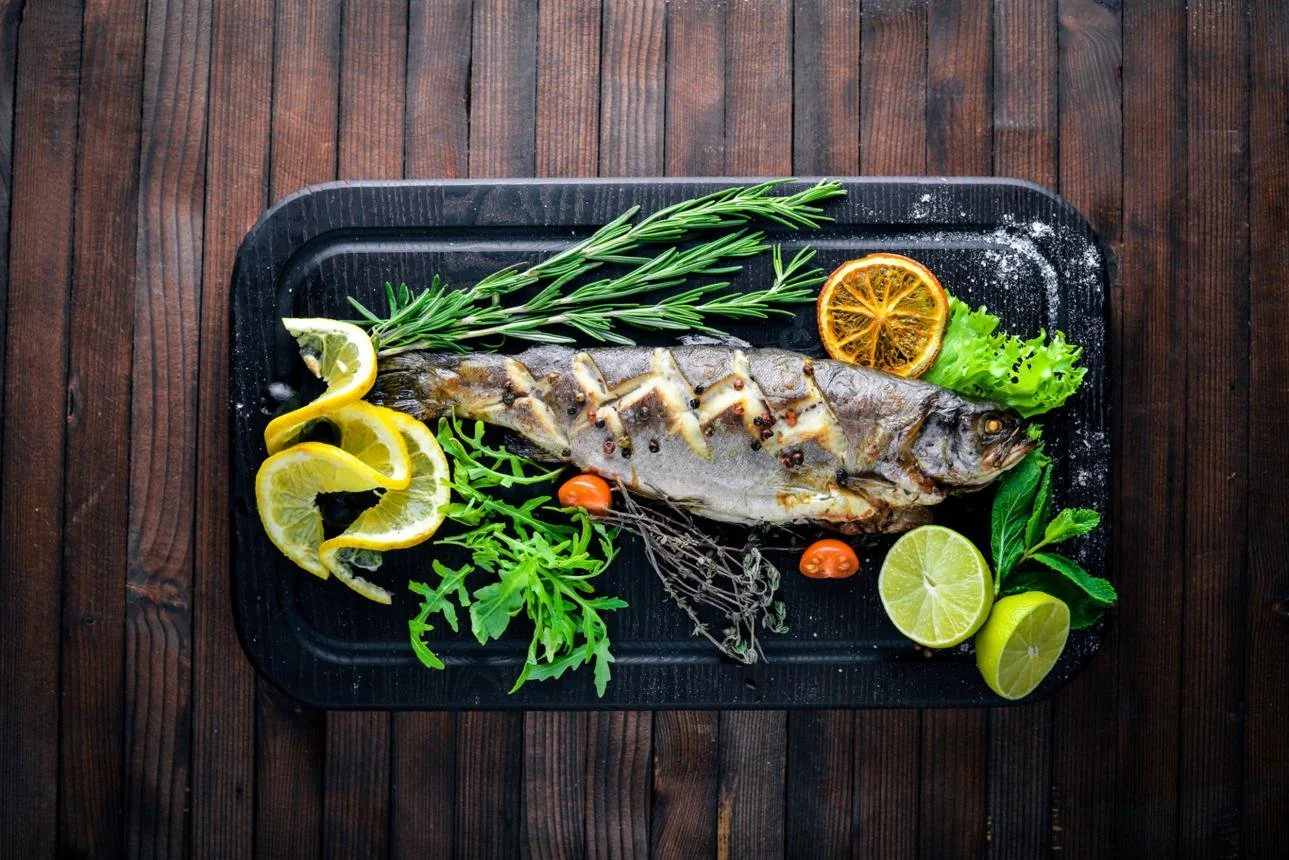
In the Rocky Mountains, trout replaces heavier game. Drawn from cold, fast-moving streams, it is prepared with clarity—pan, butter, lemon—nothing more required.
Across the world, different mountains echo the same philosophy where gastronomy isnot defined by abundance but by scarcity & precision. Likewise, the Spring table is table is not simply about food but is a reflection of condition, landscape, and the timeless ticking from one season to the next.