
Well Worn Beginnings
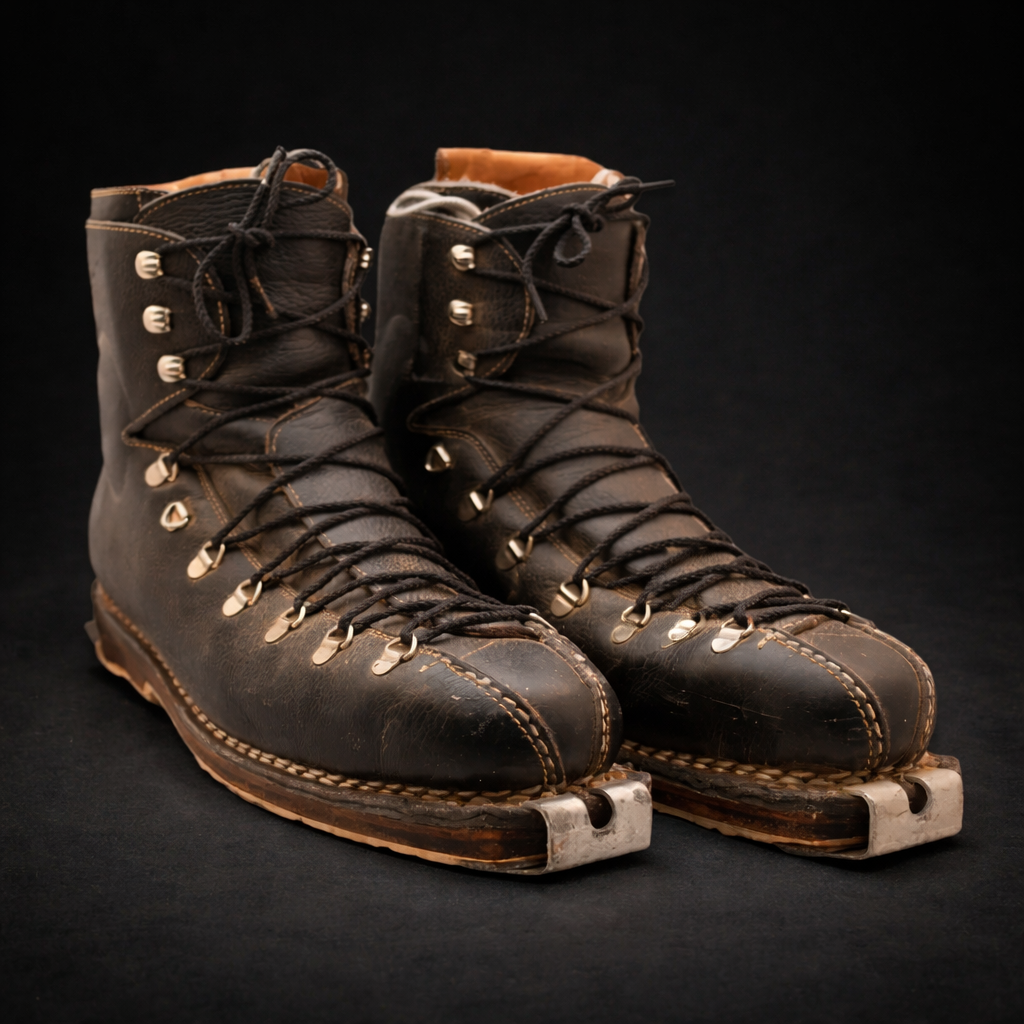
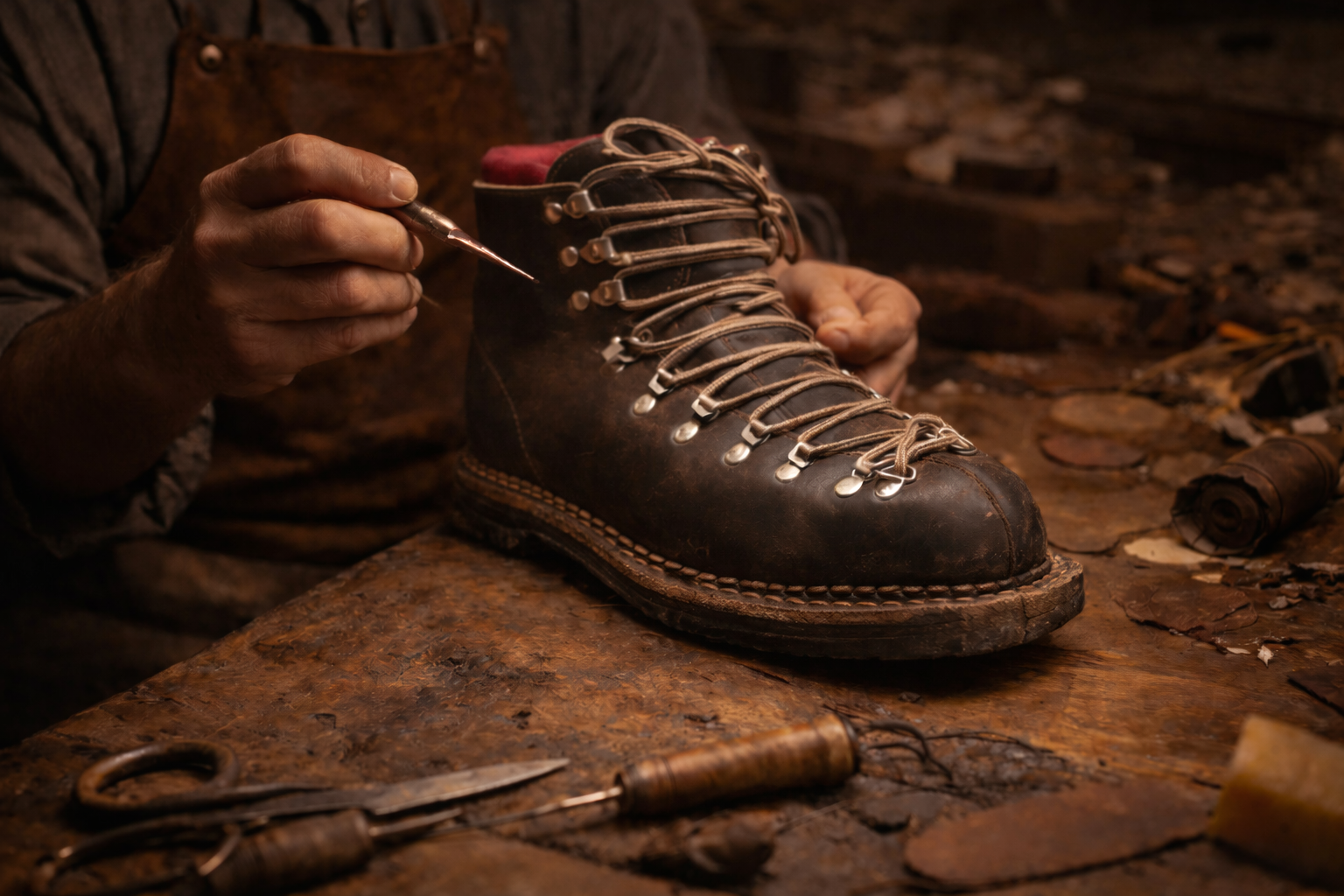
Before ski boots became objects of technical obsession—carbon cuffs, micro-adjust buckles, heat-molded liners—they were something far more elemental: leather, hand-cut, stitched by lamplight, and shaped by men who understood winter not as recreation, but as necessity.
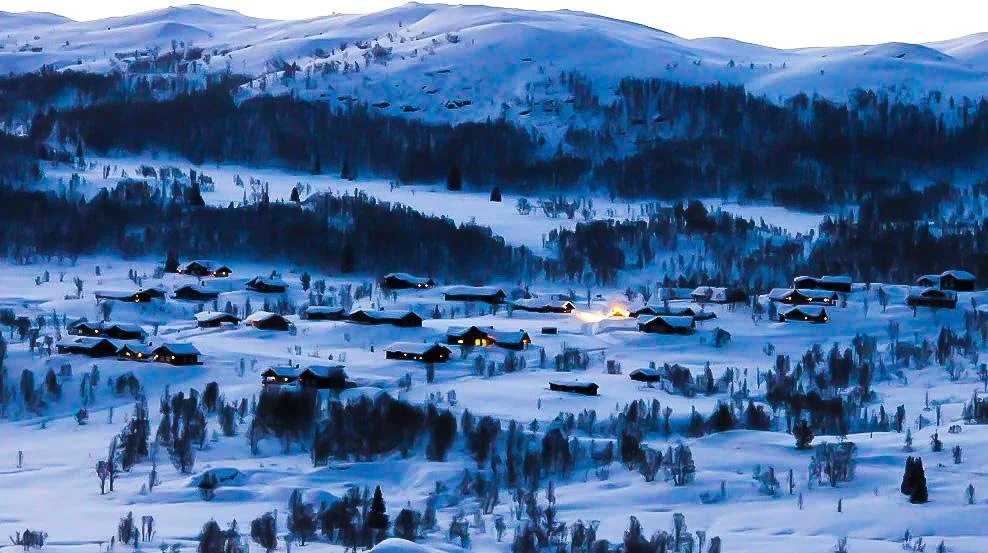
To speak of the first ski boot maker is to step into a time before brands, before factories, before the idea of skiing as sport. It is a story rooted in the mountains of Norway, where survival demanded innovation, and where craftsmanship quietly altered the course of alpine history.
In the early 19th century, there was no such thing as a “ski boot.” Skiers wore everyday leather footwear—ankle-high shoes or soft boots—secured to wooden skis with simple leather straps or birch roots. These boots were never designed for skiing; they were adapted out of necessity. Control was limited. Stability was improvised. But the mountains had other plans.
Skiing, especially in Norway’s Telemark region, was evolving rapidly—from transportation and hunting to competition and expression. And with that evolution came a new product performance demands; requirements to be met by an individual many consider the father of modern skiing; Sondre Nordheim.
Norheim (1825–1897) was not a bootmaker by trade—but he may be the most influential boot thinker in history. He had a knack for experimenting relentlessly with equipment. He tightened bindings, reshaped skis, and—crucially—modified his boots. He reinforced heels, stiffened leather, and worked closely with local cobblers to create footwear that could hold the foot securely while allowing the skier to flex and turn. His innovations made the Telemark turn possible and transformed skiing from straight-line survival into controlled descent. Norheim’s boots were still handmade, still personal, but they represented something entirely new: footwear designed specifically for skiing.
While Norheim laid the groundwork, the first commercial ski boot maker—someone who produced boots specifically and consistently for skiers—emerged later, in the Bavarian Alps.
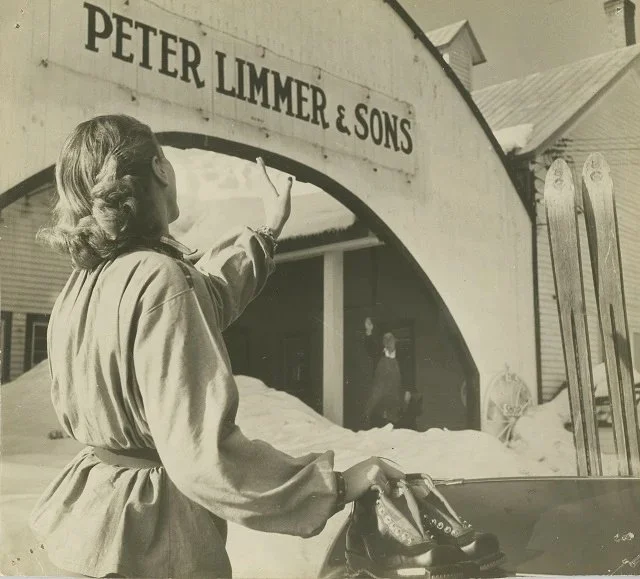
In 1896, a master bootmaker named Limmer Boots began crafting alpine footwear designed expressly for skiing. These were not modified walking boots. They were purpose-built: higher shafts, reinforced soles, thicker leather, and a fit meant to interface cleanly with bindings.
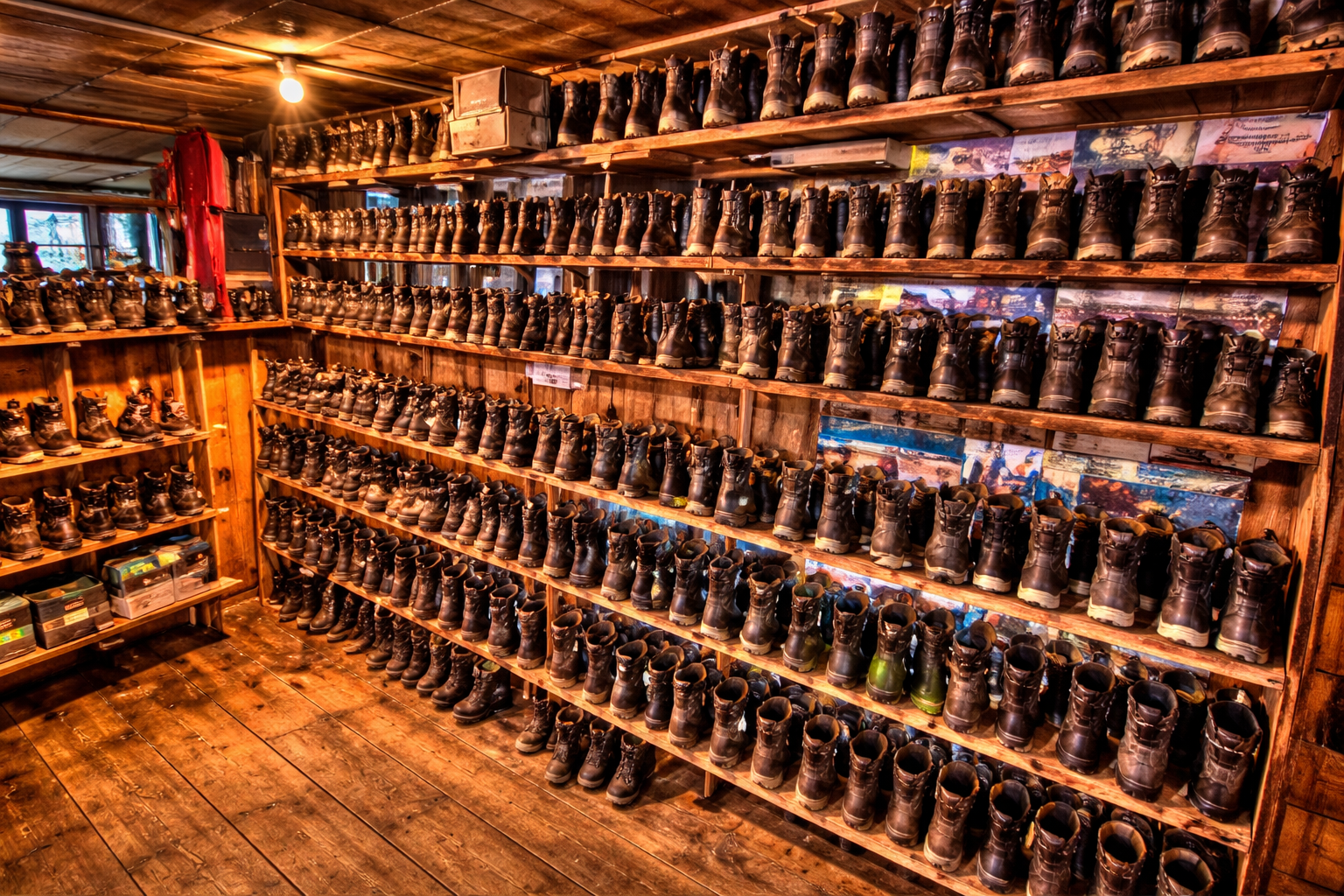
Limmer’s boots quickly gained a reputation across Europe’s alpine regions. Guides, soldiers, and competitive skiers sought them out. The boots were heavy by today’s standards, but they delivered something unprecedented: reliable edge control and downhill confidence. With Limmer, ski boots became a distinct category—an object of intentional design, not amateur adaptation.
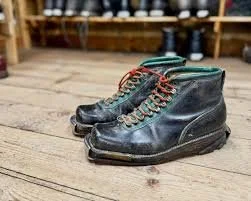
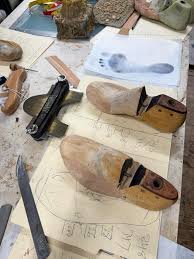
What defines these early ski boots—Norwegian or Bavarian—is not technology, but crafted consideration. Each pair was cut by hand. Each stitch mattered. Leather was selected for resilience, not shiny optics. There were no seasons, no collections—only classic & sturdy function refined over time; responding quietly and consistently to real terrain, real weather, and real human movement.
All modern ski boots trace a straight line back to these origins. At their core, modern boots still wrestle with the same questions that faced Norheim and Limmer more than a century ago.
The answers have evolved, but the principles have endured. The stiffened cuffs of contemporary alpine boots echo Norheim’s reinforced leather heels. Progressive flex patterns—so carefully engineered today—are refinements of the balance he sought between mobility and hold. Even the intimate relationship between boot and binding, now standardized and regulated, was born in those early workshops where fit was personal and consequences were immediate.

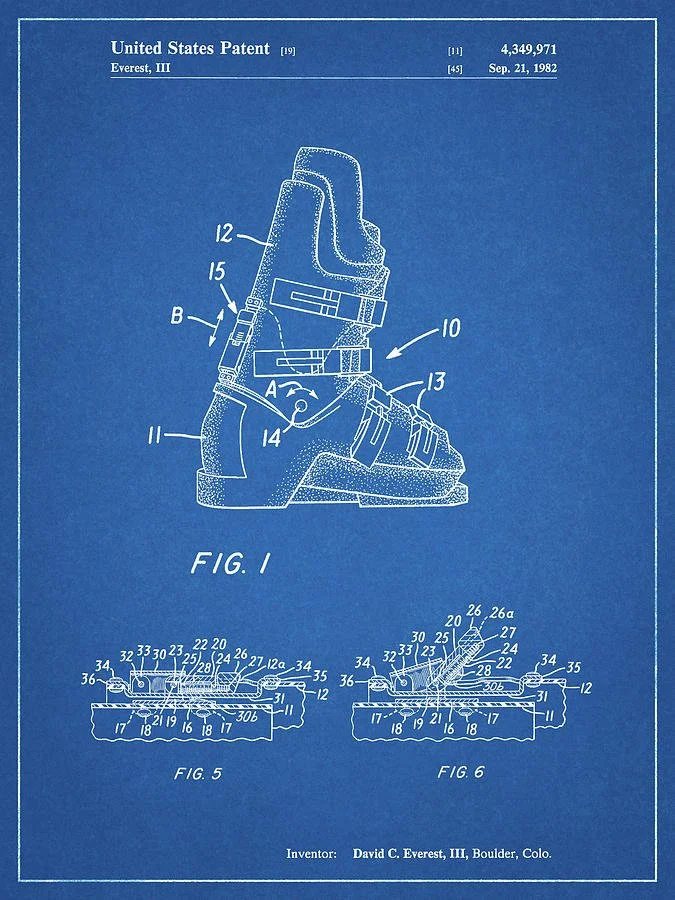
In this way, ski boots are not simply equipment. They are quiet collaborators—objects that translate human ambition into motion across snow. And every buckle, shell, liner, and flex profile carries the imprint of those first makers who understood winter as a condition to be mastered through a combination of ingenuity and integrity in the pursuit of alpine sport. From stitched leather to molded shells, from lamplight to laboratory, the craft endures as a blend of long-standing tradition and endless continuity.