
Santa Is A Skier
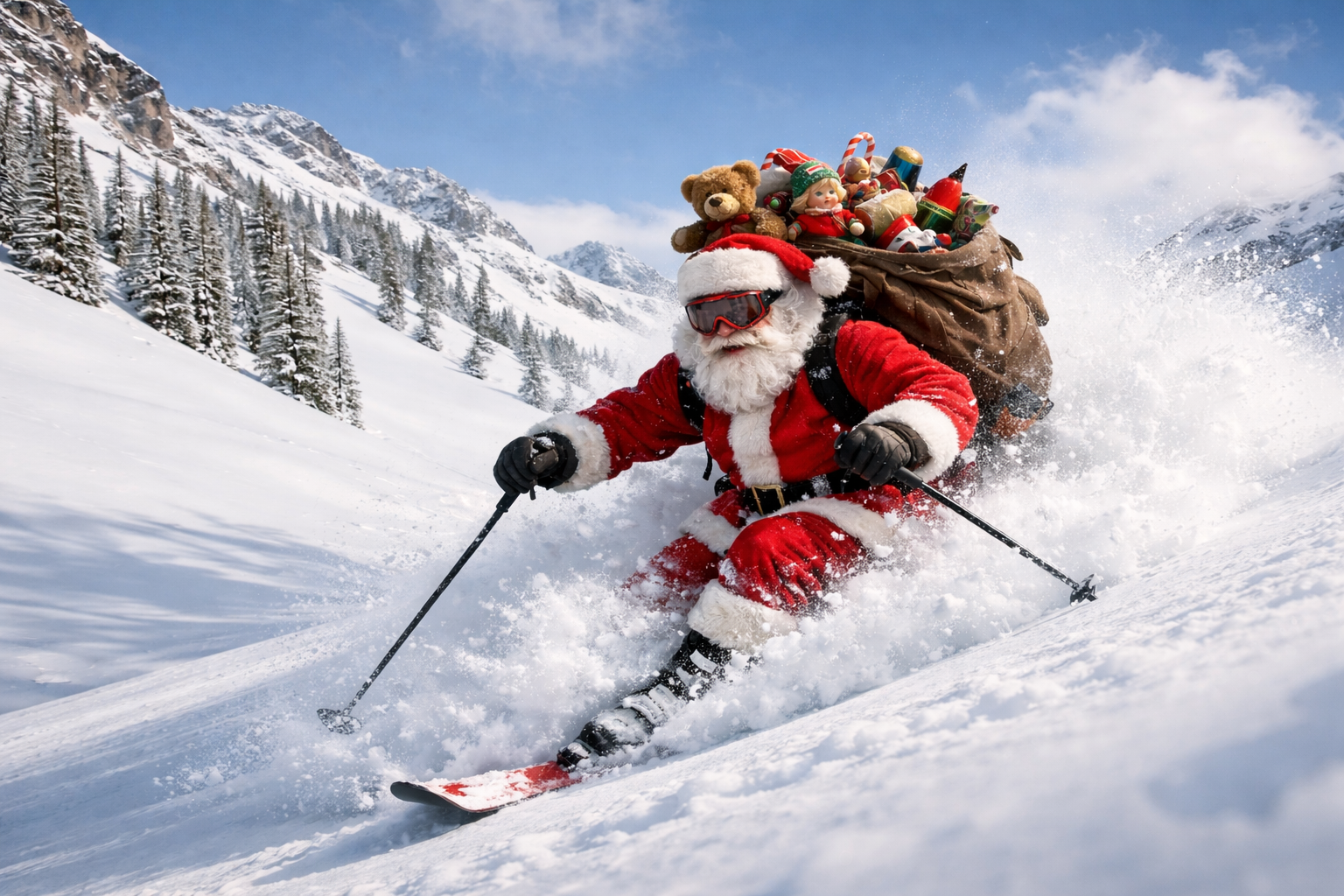
There are certain truths that don’t need proving so much as remembering. They exist in the quiet corners of folklore, in the margins of old stories, in the way traditions repeat themselves long after their origins are forgotten. That Santa Claus—the world’s most tireless winter traveler—was a skier is one of them.
Not a novelty skier. Not a costume-clad holiday caricature. But a genuine winter sportsman, shaped by snow, distance, endurance, and the simple necessity of moving efficiently through frozen landscapes.
Long before skis were sport, they were survival. And Santa, by every measure of legend and logic, would have known this better than anyone.
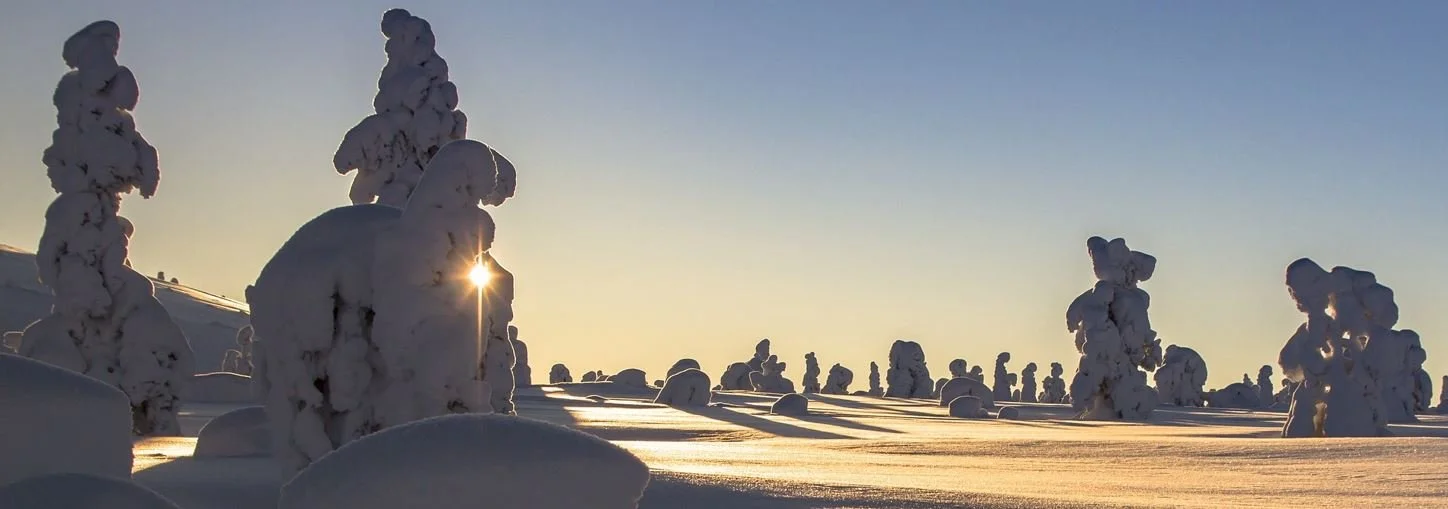
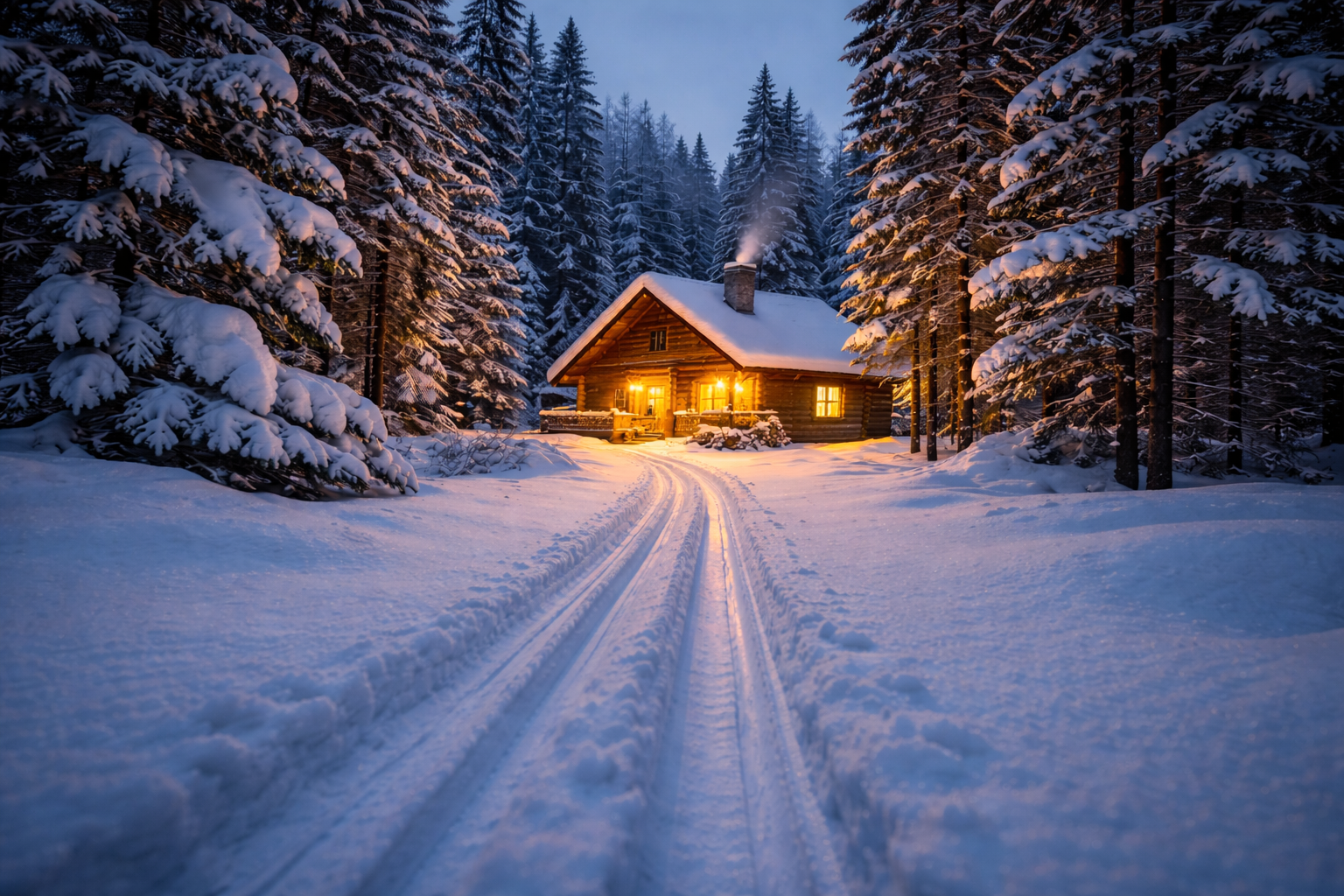
Santa’s home—whether you call it the North Pole, Lapland, or simply “the far north”—exists in a realm defined by winter. Snowbound forests. Long, blue-shadowed twilight. Frozen ground that resists wheels and welcomes runners.
In these regions, skiing was never optional. It was how people hunted, traveled, worked, and visited one another when winter erased roads and softened borders. To imagine Santa moving through this world without skis is to imagine a sailor refusing the sea.
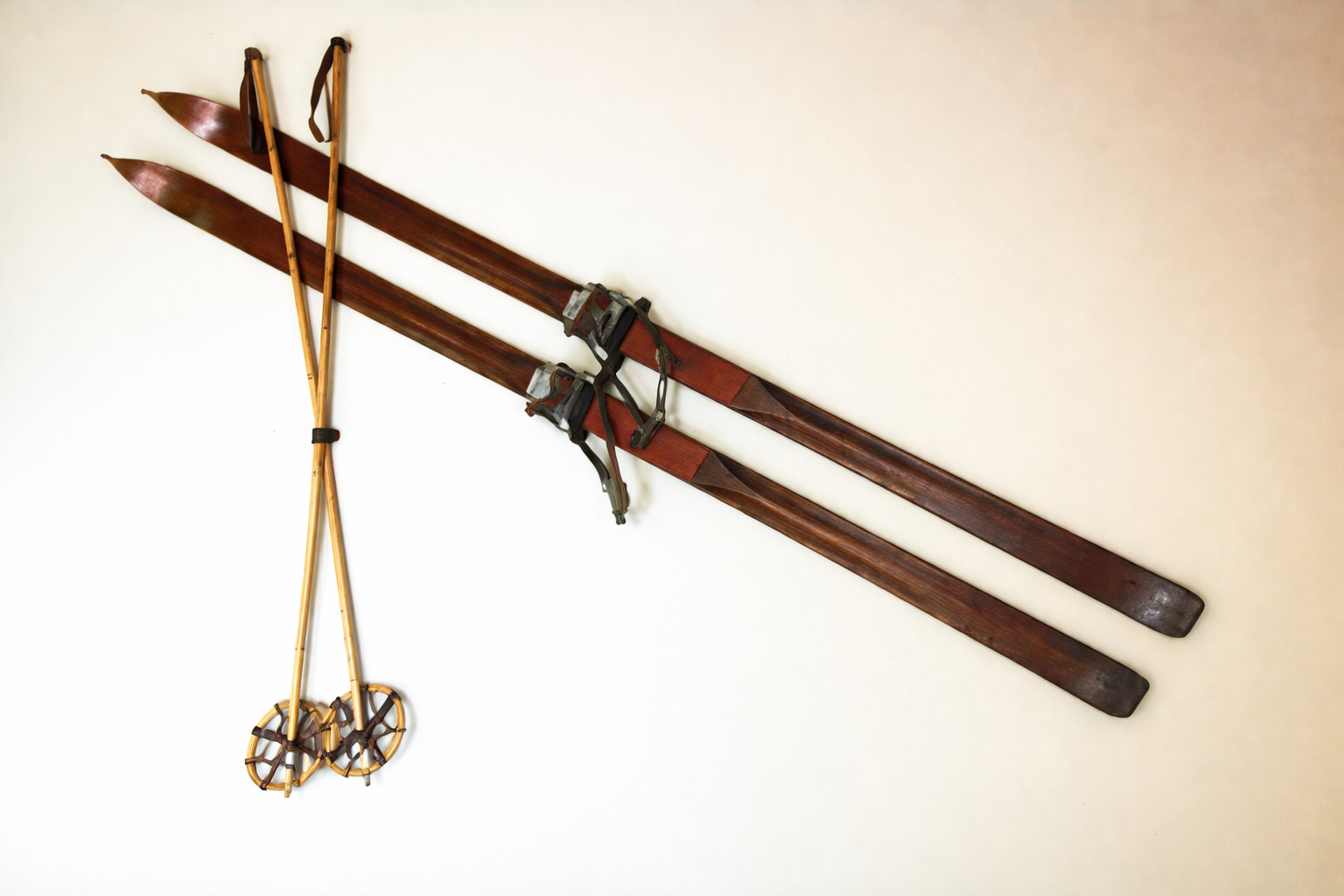
Sleigh and reindeer may dominate modern imagery, but skis precede them in northern tradition. For centuries, messengers, woodsmen, and traders glided silently across snowfields on long wooden boards—often pulled lightly by animals, sometimes carrying packs, sometimes gifts.
Sound familiar?
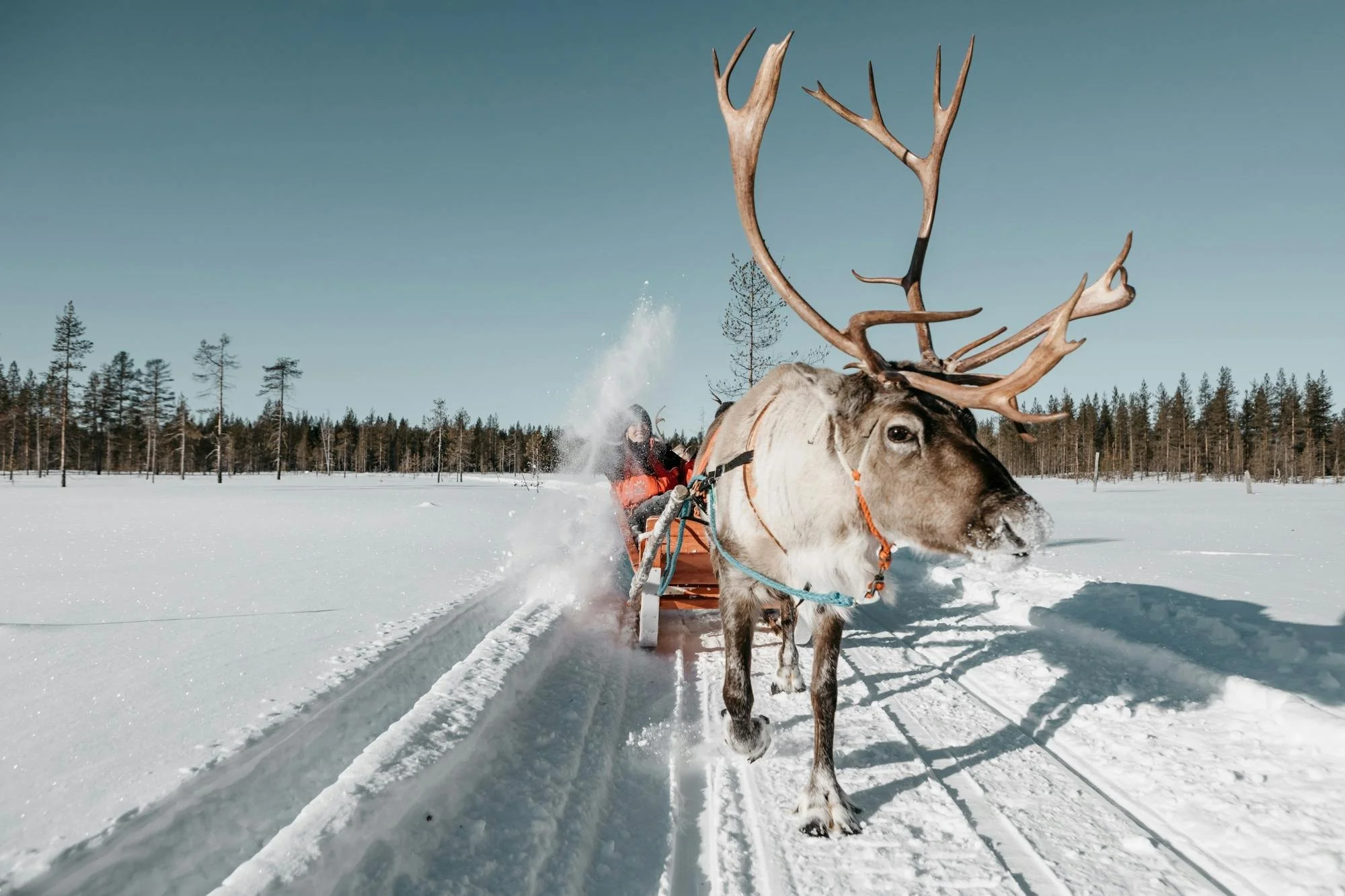
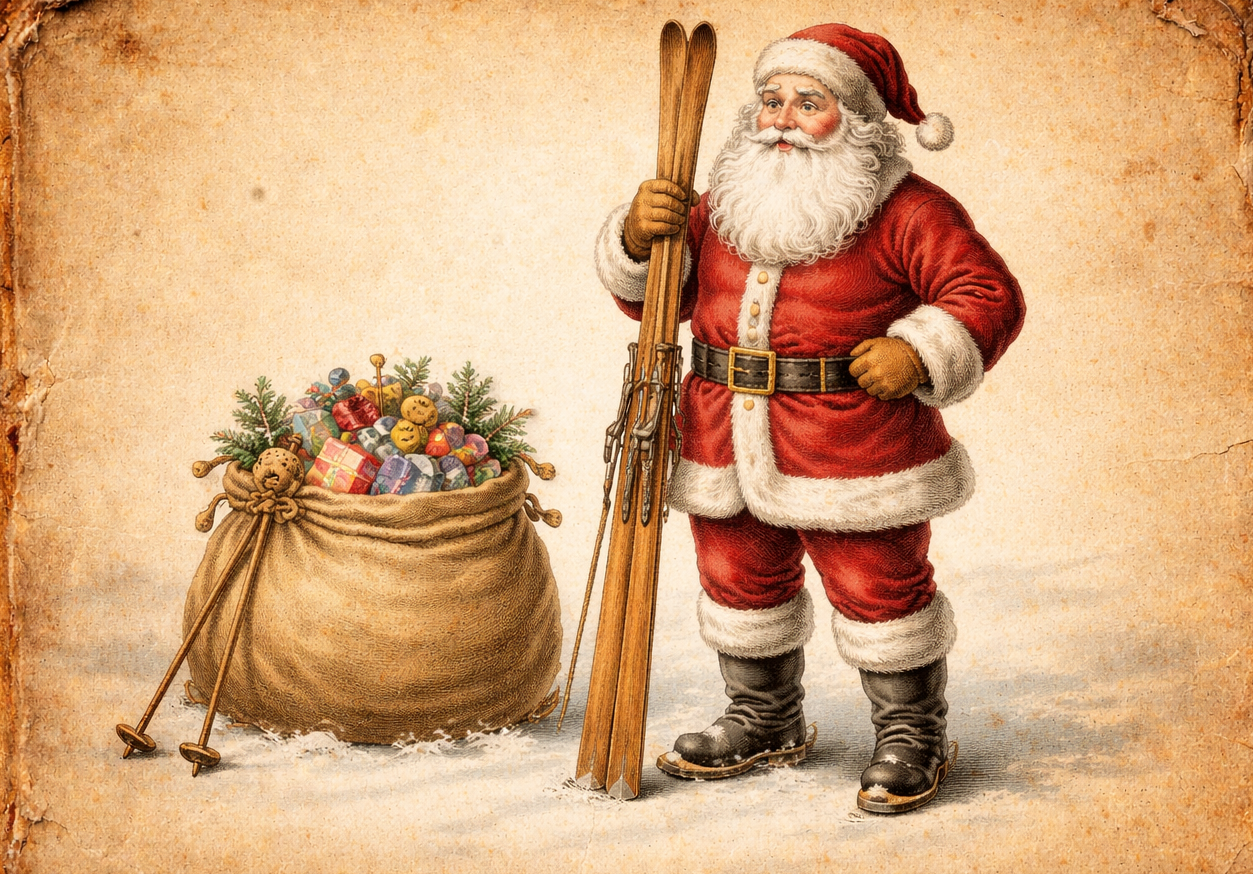
Santa’s story is rooted in an older figure: a wandering winter saint, moving from home to home under cover of darkness, bringing small gifts, blessings, and good fortune. In many early European traditions, he doesn’t arrive by chimney at all—he comes through the door, the yard, or the forest edge.
And how does a lone traveler arrive in deep winter, quietly, efficiently, and without leaving chaos behind?
On skis.
Folklore from Alpine and Nordic regions is filled with winter spirits and gift-bringers who glide over snow rather than trample through it. Their arrival is marked not by noise, but by tracks—long, parallel lines disappearing into the trees by morning.
Children wake to gifts. Adults notice the snow disturbed just enough to suggest passage, not intrusion.
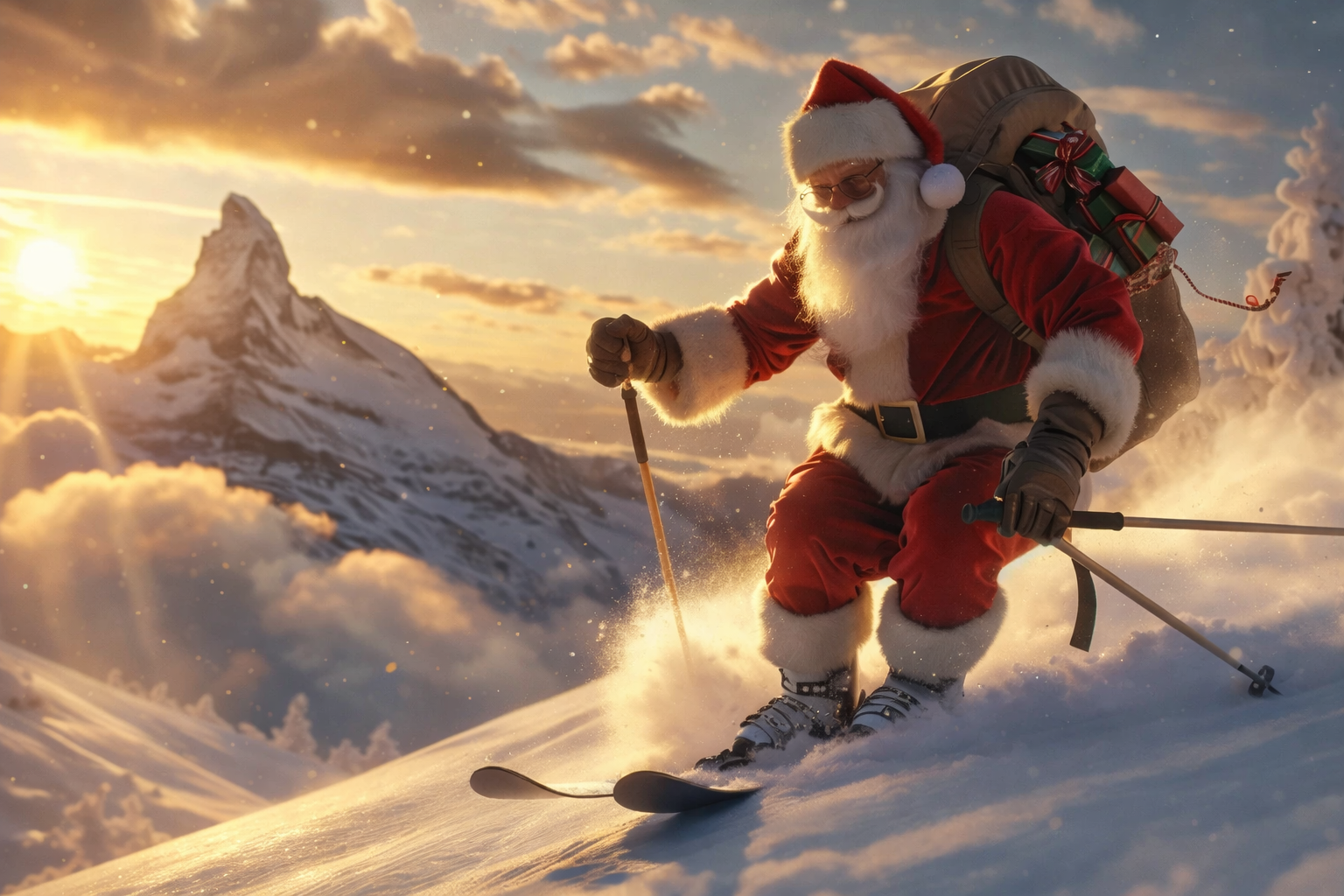
Look closely at Santa as tradition describes him—not the modern cartoon, but the older depictions.
Broad-shouldered. Thick through the torso. Strong legs built for endurance rather than speed. A body shaped by cold air, heavy garments, and long distances covered steadily, rhythmically, year after year.
This is not the physique of a sleigh-bound passenger.
It is the physique of a skier.
Anyone who has spent time on long wooden skis knows the transformation: the way balance becomes instinctive, the way breath syncs with stride, the way winter travel becomes less a battle and more a dialogue with terrain. Santa’s legendary stamina—his ability to work through a single night what would take others weeks—suggests not magic alone, but mastery.
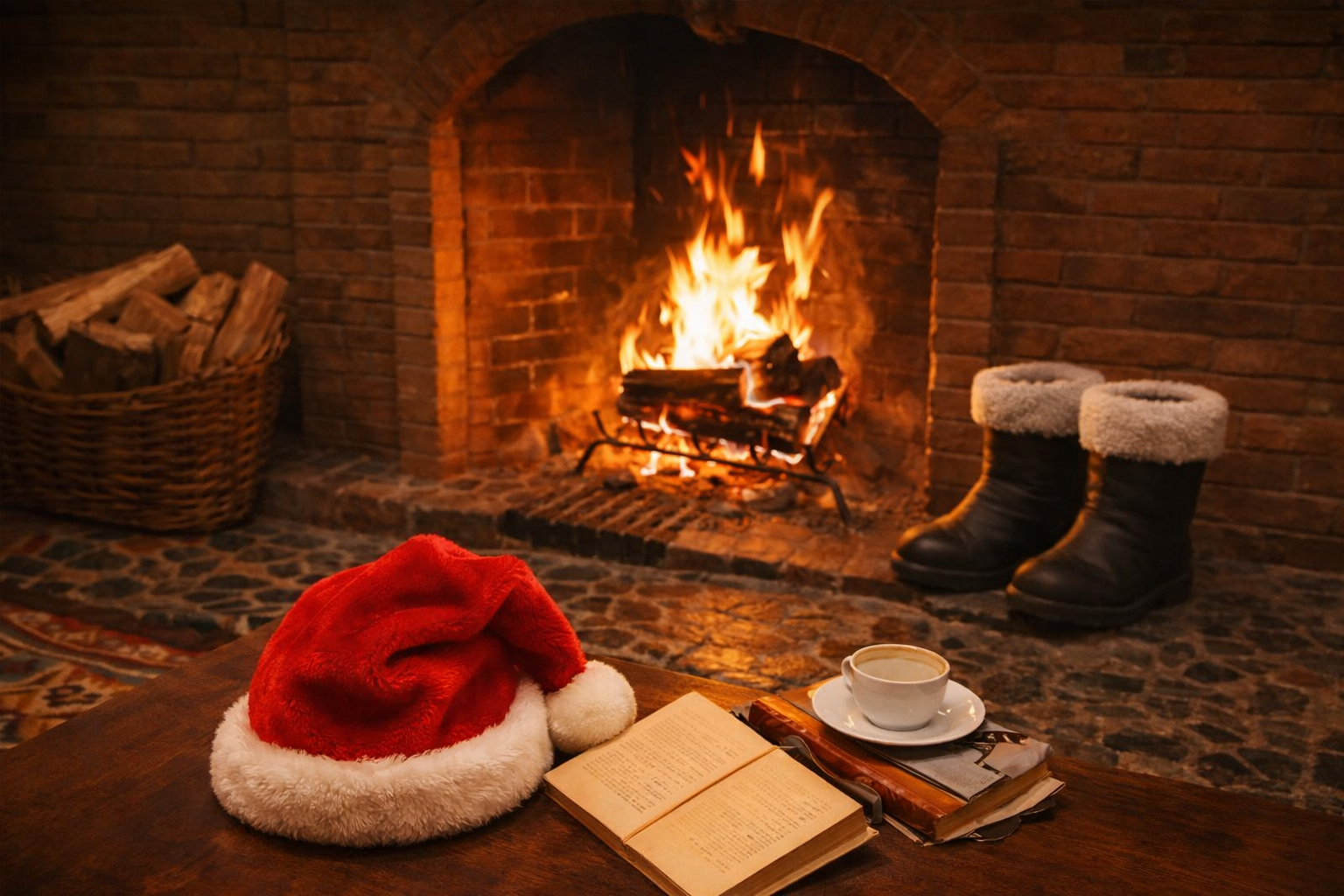
While Santa’s origins lean north, his spirit resonates deeply in the Alps. Here too, winter demanded ingenuity. Early alpine skiers—hunters, couriers, monks—used skis to cross passes and valleys when snow closed every other path. In mountain villages, winter visitors were welcomed with warmth, food, and fire. A traveler arriving by ski was not unusual; he was expected. His boots were wet. His beard rimed with frost. His coat heavy with snow.
A red wool cap. A thick belt. A sack slung over the shoulder.
If Santa passed through the Alps, no one would have questioned it. They would have poured him a drink, made space by the hearth, and asked how the snow was higher up.
Perhaps the strongest evidence that Santa was a skier lies not in geography or physiology, but in etiquette.
Skiers arrive quietly.
They respect the landscape. They leave little behind. Their movement is fluid, intentional, and hushed—especially at night, when sound carries and the snow glows faintly under moonlight.
Santa’s greatest trick has never been speed. It has been discretion.
No clattering hooves. No churned earth. No chaos. Just presence, generosity, and departure before dawn.
That is the way of a skier.
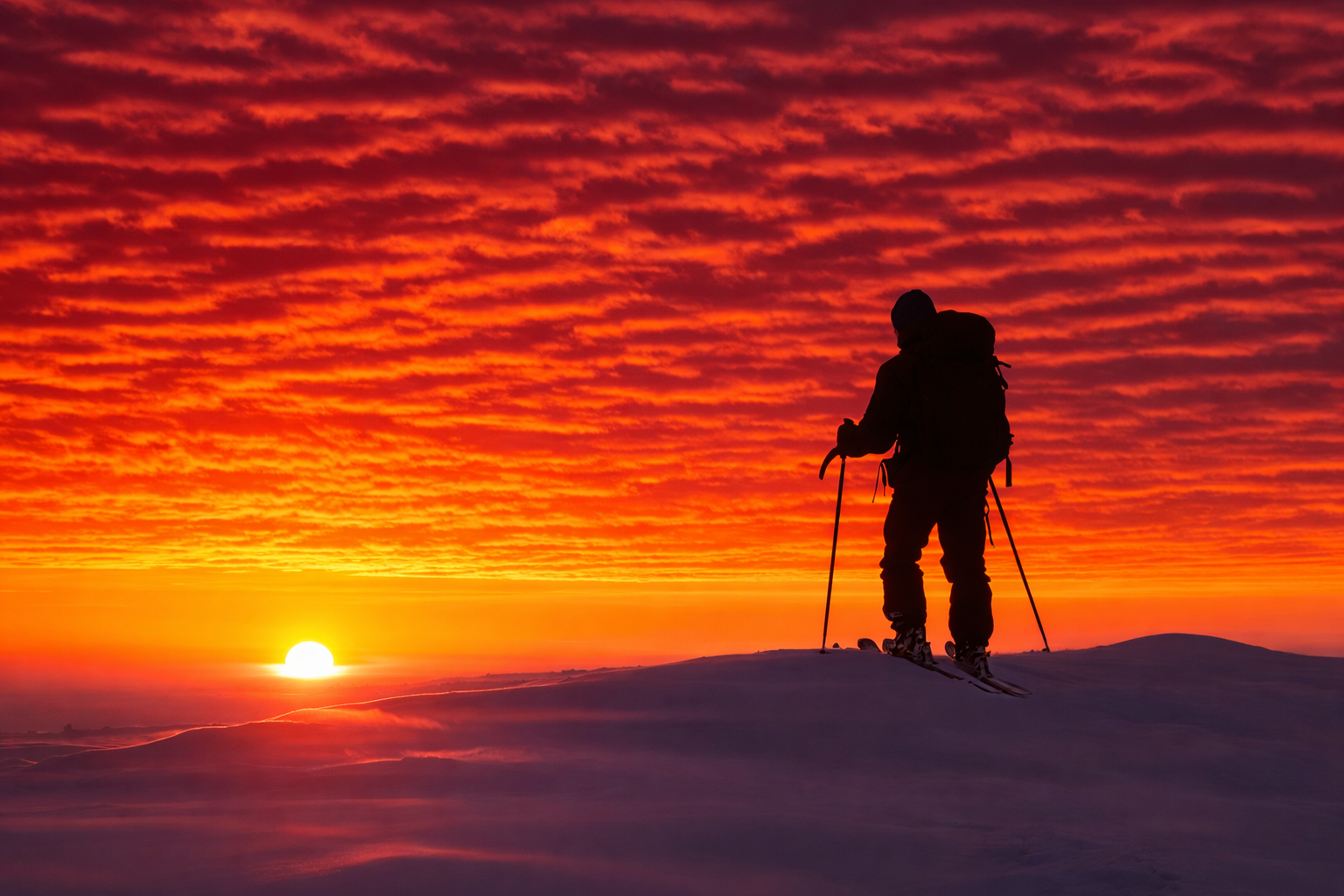
To say Santa was a skier is not to demystify him—it is to restore him to his rightful place in the world of alpine sport. Of long nights and longer journeys across snow.
And like every true skier, he moved through it with respect, rhythm, and the quiet joy of the holiday season.